

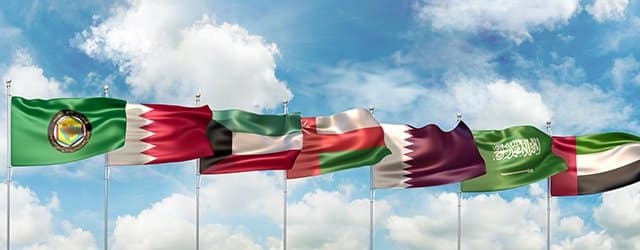

Rising global tensions in the Middle East are increasingly affecting the economic stability of Gulf Cooperation Council (GCC) countries, including key hubs like Dubai and Qatar. Strategic trade routes such as the Strait of Hormuz, which handles a significant share of global oil shipments, are facing disruptions, leading to uncertainty in global energy markets and regional trade flows. This has created a cautious environment for businesses and investors across the Gulf.
Oil price volatility has been one of the immediate outcomes, with prices witnessing sharp fluctuations in recent weeks. While higher prices can support oil-exporting nations, the broader uncertainty has slowed momentum in non-oil sectors such as tourism, logistics, and retail. In Dubai, where the economy is heavily dependent on global trade and travel, businesses are experiencing reduced activity, rising transportation costs, and delays linked to supply chain disruptions.
The impact is also visible in trade and supply chains, as increased shipping risks and insurance costs are affecting the import of essential goods, including food and raw materials. GCC countries, which rely heavily on imports, are seeing price pressures build up, indirectly affecting both businesses and consumers. In Qatar, similar disruptions are influencing industrial operations and export efficiency, adding to regional economic pressure.
Employment conditions across the GCC are becoming more uncertain, particularly for expatriate workers who make up a large portion of the workforce. Sectors such as construction, hospitality, and retail are witnessing slower hiring trends as companies adopt cost-control measures. Some firms have begun delaying expansion plans and reducing operational expenses, which could eventually impact job creation and income stability.
Financial markets in the region are also reflecting this cautious sentiment, with fluctuations in stock indices and a slowdown in investment activity. Although GCC economies have strong financial reserves, prolonged global tensions could lead to tighter liquidity and reduced capital inflows. Overall, while the region remains resilient, the current environment is placing pressure on both economic growth and employment outlook, making the near-term trajectory uncertain.