

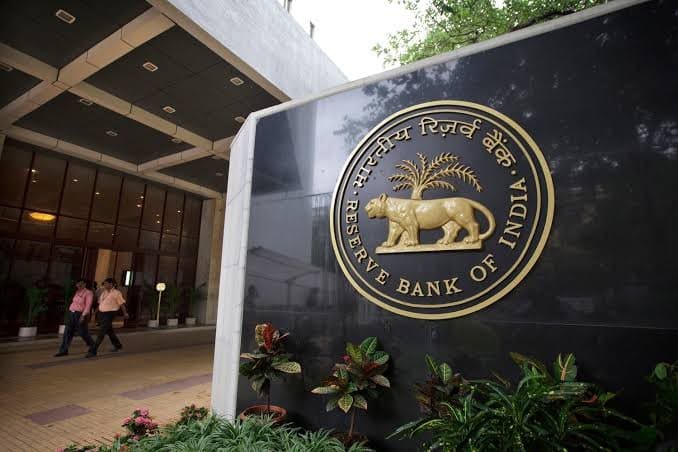

The Reserve Bank of India has revised its lending norms for micro, small and medium enterprises, increasing the limit for collateral-free loans to ₹20 lakh from the earlier ₹10 lakh. The move is aimed at improving credit access for small businesses that often struggle to provide security for bank loans.
According to the updated guidelines, banks and lending institutions have been instructed not to demand collateral for loans up to ₹20 lakh extended to eligible micro and small enterprises. The revised norms will come into effect from April 1, 2026, and are expected to ease financing challenges for MSMEs across sectors.
The central bank has also allowed lenders to extend collateral-free credit beyond ₹20 lakh, up to ₹25 lakh, for enterprises with a strong repayment record and sound financial performance, subject to the bank’s internal credit assessment policies. Credit guarantee schemes may be used to cover such loans wherever applicable.
The RBI clarified that voluntary pledging of assets such as gold or silver by borrowers for loans within the ₹20 lakh limit will not be treated as a violation of the collateral-free requirement. The revised framework also applies to eligible units under the Prime Minister’s Employment Generation Programme, enabling beneficiaries to avail unsecured loans within the enhanced limit.
The latest decision is part of the RBI’s broader efforts to strengthen institutional credit flow to the MSME sector, which plays a vital role in employment generation and economic growth.