
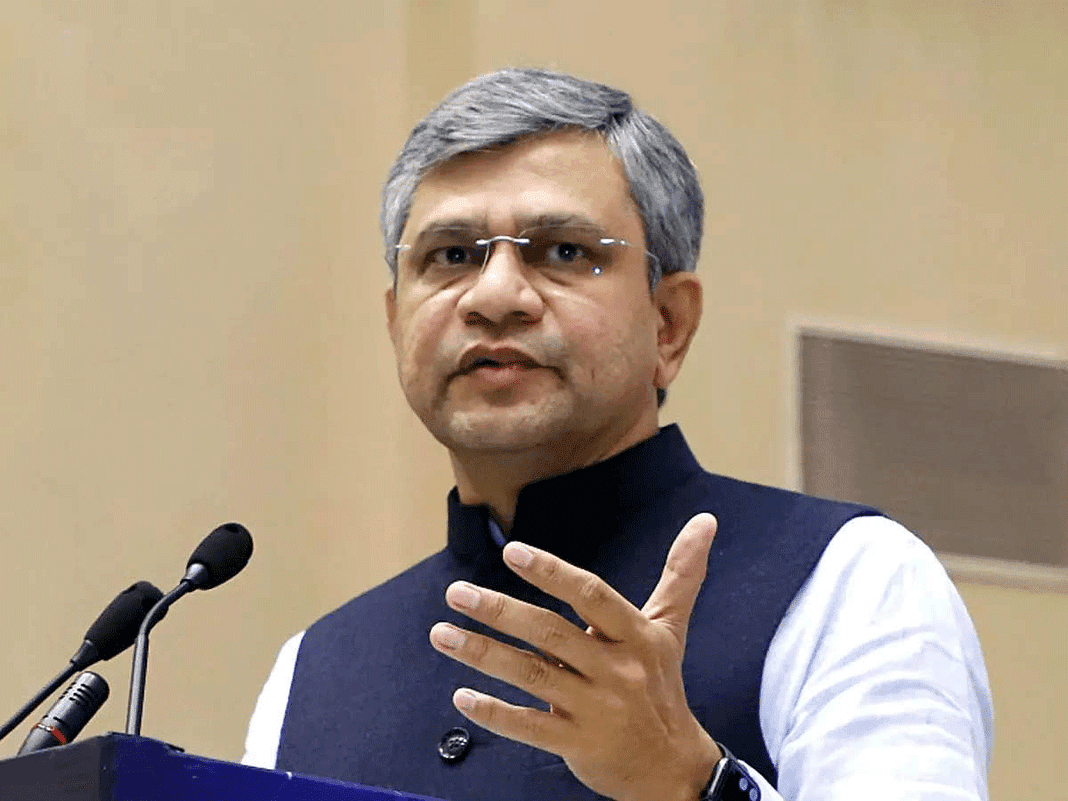

Following the Budget 2026 presentation, Railway Minister Ashwini Vaishnaw on Sunday said the proposed high-speed rail corridors will significantly reduce travel time between major Indian cities, calling the initiative a major shift in the country’s mobility landscape.
Detailing the projected benefits, Vaishnaw said travel between Chennai and Bengaluru could be completed in about 1 hour and 13 minutes, while journeys from Bengaluru to Hyderabad may take around 2 hours. The Chennai–Hyderabad route is expected to take nearly 2 hours and 55 minutes. According to the minister, these corridors are designed to act as “growth connectors” and support cleaner, faster, and more sustainable travel.
Under the long-term plan, seven high-speed rail routes have been proposed: Mumbai–Pune, Pune–Hyderabad, Hyderabad–Bengaluru, Hyderabad–Chennai, Chennai–Bengaluru, Delhi–Varanasi, and Varanasi–Siliguri. The Mumbai–Pune journey time is projected to come down to just 48 minutes, while Pune–Hyderabad could be covered in about 1 hour and 55 minutes. Similarly, the Delhi–Varanasi corridor is expected to reduce travel time to around 3 hours and 50 minutes, with the proposed Varanasi–Patna–Siliguri line cutting the Varanasi–Siliguri journey to nearly 2 hours and 55 minutes.
Vaishnaw also said the under-construction Ahmedabad–Mumbai high-speed rail corridor will be extended to Pune and Hyderabad, with future links planned to Bengaluru and Chennai. Collectively, the seven corridors will span close to 4,000 kilometres and are expected to attract investments of around Rs 16 lakh crore.
In addition to passenger mobility, the Budget places strong emphasis on freight movement. A new dedicated freight corridor has been proposed from Dankuni in West Bengal to Surat in Gujarat, passing through Odisha, Chhattisgarh, Madhya Pradesh, and Maharashtra. The 2,052-kilometre corridor will link with the existing Western Dedicated Freight Corridor, enabling smoother and faster movement of goods to west-coast ports.