

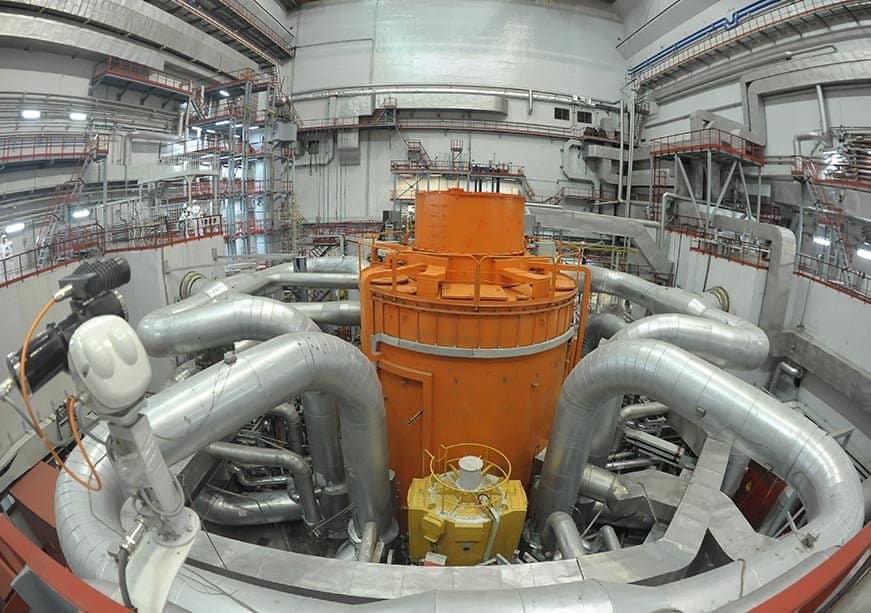

India’s indigenously designed and built Prototype Fast Breeder Reactor (PFBR) at Kalpakkam successfully attained its first criticality on April 6, 2026, marking a significant advancement in the country’s nuclear energy programme.
With this achievement, India moves closer to becoming only the second country after Russia to operate a commercial fast breeder reactor, once the facility becomes fully operational.
The milestone indicates the initiation of a sustained and controlled nuclear chain reaction in the 500 MWe reactor. Criticality is a key benchmark in nuclear engineering, signifying that the reactor core has achieved a self-sustaining fission process, an essential step before progressing to higher power levels and eventual electricity generation.
The development is considered a defining moment in India’s three-stage nuclear power programme, conceptualised by Homi J. Bhabha to optimise the use of limited uranium and abundant thorium resources.
The PFBR has been developed by the Indira Gandhi Centre for Atomic Research and constructed by Bharatiya Nabhikiya Vidyut Nigam Limited, both operating under the Department of Atomic Energy.
Unlike conventional reactors, fast breeder reactors can generate more fuel than they consume by converting fertile isotopes like uranium-238 into fissile material. This enhances fuel efficiency and supports the long-term goal of a sustainable nuclear fuel cycle.
India’s current nuclear power capacity stands at 8.78 gigawatts, with nuclear plants generating 56,681 million units of electricity during 2024–25. The country has also signed civil nuclear cooperation agreements for peaceful purposes with 18 nations, further strengthening its position in the global nuclear energy sector.