
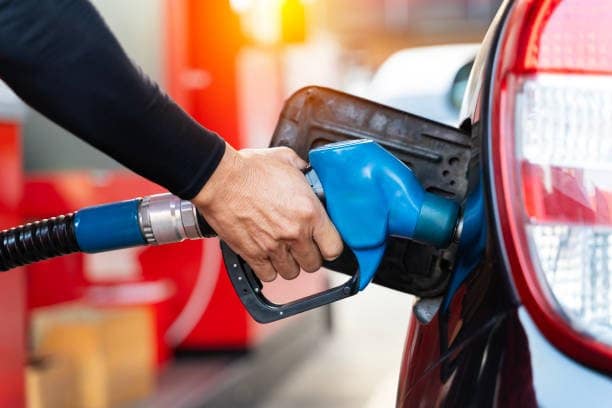

Fuel prices have seen a fresh increase in several parts of India, especially at private outlets, adding pressure on consumers and businesses. Private fuel retailers like Nayara Energy have increased petrol prices by around ₹5 per litre and diesel by about ₹3 per litre, while some regions have reported even sharper hikes depending on local conditions.
The price rise is mainly linked to global tensions and supply disruptions in the Middle East, which have pushed crude oil prices above $100 per barrel. India, which depends heavily on imported oil, is directly affected by these global changes. While private fuel stations have started increasing rates, many government-run pumps have not yet changed prices, creating differences in fuel costs across locations.
At the same time, commercial LPG used by hotels and businesses has also become more expensive. Prices of commercial gas cylinders have increased significantly, crossing ₹2,000 in some cities. This has raised operating costs for restaurants and small businesses, forcing some to reduce menu items or shift to alternative fuels.
There are also reports of gas shortages in some regions, affecting both commercial users and households. In certain cities, limited supply has led to delays, black-market pricing, and increased demand for alternatives like diesel and kerosene. Some state authorities have even restarted kerosene distribution to manage the shortage and support essential needs.
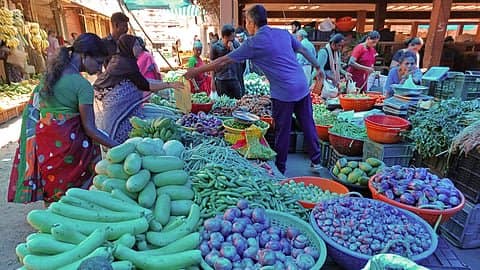
Overall, the rise in fuel and gas prices is beginning to impact daily life, from transportation costs to food prices. Experts warn that if global supply issues continue, prices may rise further in the coming weeks, increasing inflation pressure and affecting both households and businesses across the country.