

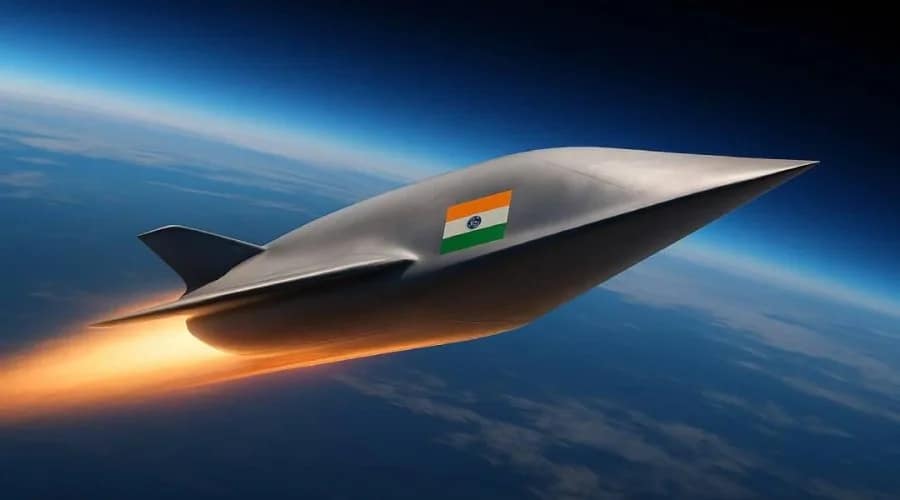

India’s Defence Research and Development Organisation (DRDO) is preparing to test its next-generation hypersonic missile, Dhvani, before the end of this year. The project aims to place India among a small group of nations capable of developing hypersonic glide vehicles (HGVs), which are extremely fast and difficult to intercept.
Unlike traditional cruise missiles, an HGV is launched to a high altitude and then glides toward its target at speeds above Mach 5, or more than 7,400 km/h. This combination of speed and manoeuvrability makes detection and interception much harder. Dhvani will undergo tests on critical technologies, including advanced thermal shielding, propulsion, and high-speed aerodynamics.
DRDO has already carried out trials of the Hypersonic Technology Demonstrator Vehicle (HSTDV), which laid the foundation for Dhvani’s development. If the upcoming test is successful, it will confirm India’s steady progress toward deploying hypersonic systems within the next decade.
Currently, India operates the BrahMos missile, a joint venture with Russia, which is one of the fastest cruise missiles in service with a speed of Mach 2.8–3. Dhvani, however, is expected to exceed Mach 5 and will rely on an unpowered glide during its terminal phase, allowing sharper manoeuvres and better chances of evading defences.
Experts believe Dhvani may also feature longer range, improved guidance, and stealth design, giving it both tactical and strategic advantages. With trials scheduled for late 2025, the missile marks one of the most ambitious steps in India’s missile programme.